
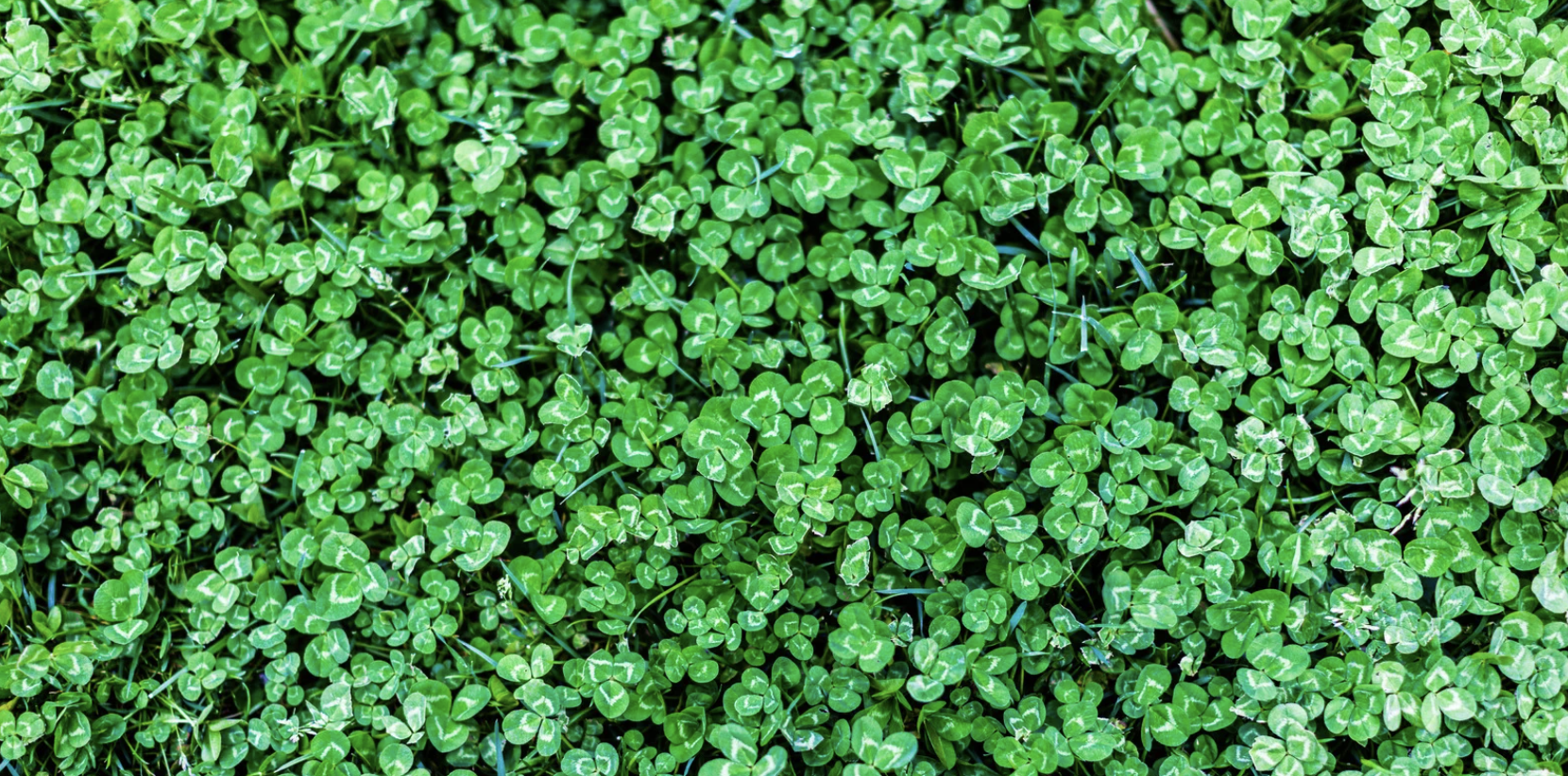
If you grew up thinking clover was a weed, you’re not alone. But today, more and more American homeowners are discovering the benefits of a clover lawn — a lush, eco-friendly alternative to traditional grass. For decades, homeowners across the USA fought to keep it out of their lawns. But times have changed — and now, clover is having a major comeback.
Across social media, gardening forums, and even neighborhood yards, people are talking about clover lawns as a smart, sustainable alternative to traditional grass. Why? Because clover lawns are lower maintenance, better for the environment, and — let’s be honest — prettier too.Across social media, gardening forums, and even neighborhood yards, people are talking about clover lawns as a smart, sustainable alternative to traditional grass. Why? Because clover lawns are lower maintenance, better for the environment, and — let’s be honest — prettier too.
Why Clover Lawns Are Taking Over
1. They’re Low Maintenance
Forget endless mowing, fertilizing, and battling weeds. Clover grows steadily but doesn’t shoot up like grass, meaning you’ll mow less often. It also naturally resists pests and disease, saving you time and effort.
2. They Stay Green — Even in Summer
One of the biggest frustrations with grass lawns is watching them turn brown and crispy in the heat. Clover, on the other hand, stays lush and green even in drought conditions, needing far less water to look good.
3. They’re Good for the Planet
Clover flowers attract pollinators like bees and butterflies, supporting biodiversity right in your backyard. Plus, clover fixes nitrogen from the air into the soil, which means it feeds itself and improves soil health naturally.
Tip: Give your soil an extra boost by watering with Ecoworm Soil Extract. This organic fertilizer adds beneficial microbes that regenerate soil, helping your clover establish strong, healthy roots.
4. They’re Soft and Pet-Friendly
Barefoot in summer? Your pets rolling around in the yard? Clover is soft, springy, and totally non-toxic — making it a safe and comfortable choice for families.
How to Grow a Clover Lawn
Ready to join the clover movement? Here’s a simple step-by-step guide to get started.
Step 1: Choose Your Clover
- White Dutch Clover: Classic, hardy, and produces those charming white blooms.
- Micro-Clover: A smaller-leaf variety that blends well with grass and produces fewer flowers — perfect if you want a tidier look.
Step 2: Prepare Your Soil
Clover grows best in loose, healthy soil. Start by raking out weeds and debris. If your soil is compacted, give it a quick till or aeration.
Pro tip: Water the area with Ecoworm Soil Extract before sowing. It enriches the soil biology, making it easier for seeds to germinate and thrive.
Step 3: Sow Your Seeds
Broadcast the clover seed evenly across your lawn space. You can sow it on its own or mix it with grass seed for a blended lawn. Lightly rake the soil to cover the seeds, then water gently.
Step 4: Keep It Moist
For the first couple of weeks, water regularly so the seeds don’t dry out. Once clover is established, it needs much less attention than grass.
Common Questions About Clover Lawns
Will clover take over my yard?
Clover does spread, but it’s easy to control with mowing. If you prefer a mixed lawn, overseed with grass occasionally to balance things out.
What about bees?
Clover flowers attract bees, which is great for pollinators. If you’re concerned about children or pets, mow before heavy flowering to reduce bee activity.
Do I need to fertilize clover?
Clover fixes its own nitrogen, so it needs little help. But healthy soil is the key to a resilient lawn — that’s where organic fertilizers like Ecoworm Soil Extract come in.
Beyond Lawns: Clover for Soil Health
Here’s a bonus: clover isn’t just great for lawns. Many gardeners plant clover as a cover crop in vegetable beds over fall and winter. It protects the soil, prevents erosion, and enriches it with nutrients for spring planting.
Tip: After clearing summer crops, water beds with Ecoworm Soil Extract. This organic “plant doctor” helps restore tired soil and prepare it for cover crops like clover.
The Organic Advantage
The beauty of clover lawns is that they already reduce the need for chemical fertilizers and pesticides. Pairing them with Ecoworm’s organic solutions makes your garden even more sustainable:
- Ecoworm Soil Extract: Restores soil microbes and nutrients for strong root growth.
- Ecoworm Sapropel Extract: Revives stressed soil and extends productivity.
- Ecoworm Potassium Soap: Keeps your tools, pots, and greenhouses clean — without harsh chemicals.
Final Thoughts
Clover lawns are more than just a trend — they’re part of a bigger shift toward sustainable, low-maintenance gardening. They look beautiful, save water, feed pollinators, and improve your soil naturally.
And with the right organic support, they can thrive even faster.
Ready to transform your yard? Explore Ecoworm’s organic fertilizers and garden soaps today — and give your clover lawn the natural boost it deserves.
Comments are closed