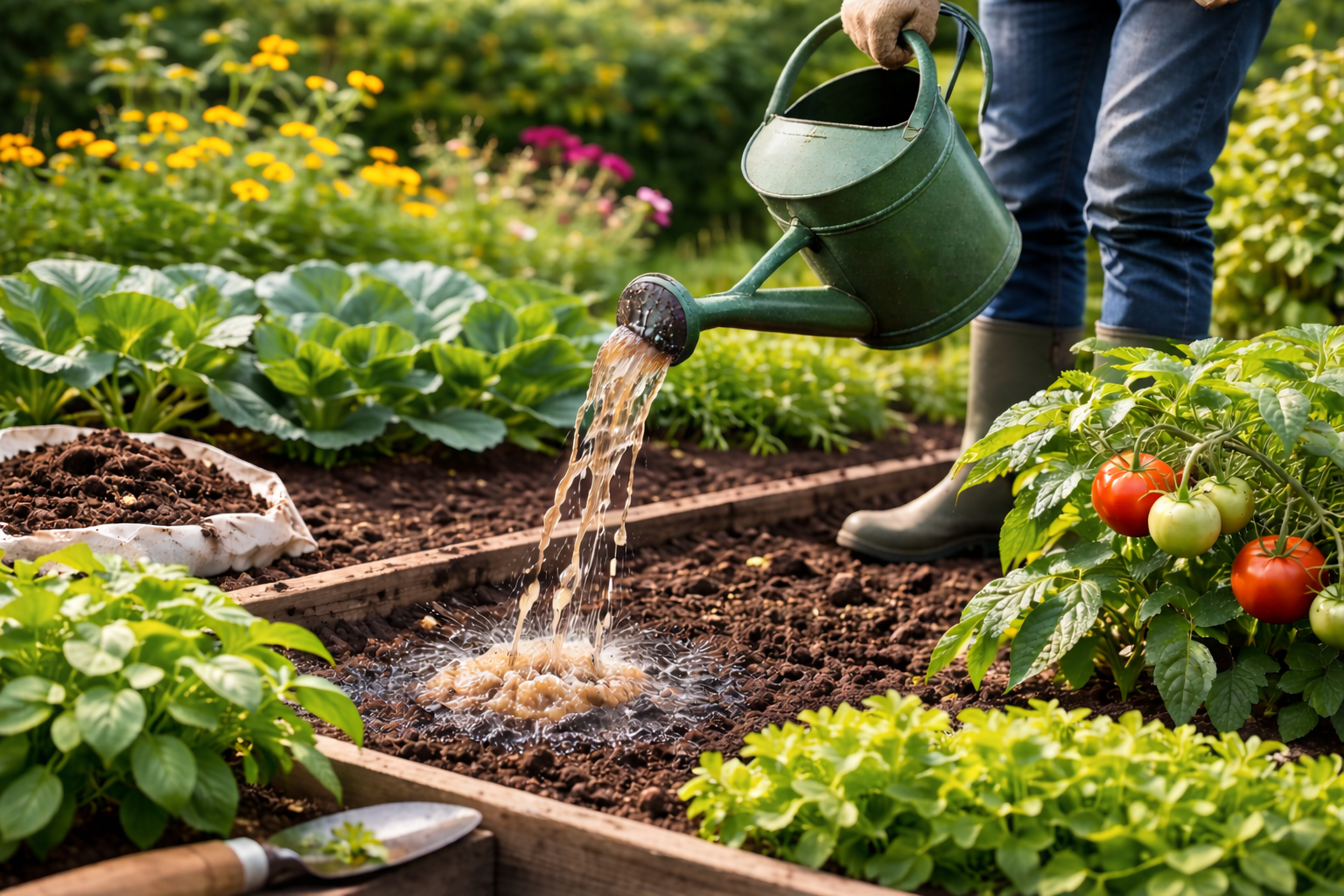
If you are searching for how to bring soil back to life, your soil may look compacted, depleted, or unproductive. Plants may grow slowly, harvests may decline, and earthworms may be difficult to find. The good news is that soil can recover. When biological activity is restored, soil begins functioning properly again. Understanding how to bring soil back to life starts with rebuilding the ecosystem beneath your plants.
Why Soil Loses Vitality
Soil does not truly die, but it can lose its biological balance. This often happens because of:
• Repeated tilling
• Heavy use of synthetic fertilizers
• Chemical pesticides
• Erosion and nutrient leaching
• Lack of organic inputs
Over time, microbial life declines. As a result, soil structure weakens and nutrient cycling slows. When soil biology decreases, plants struggle to access nutrients and water efficiently.
According to the USDA Natural Resources Conservation Service, healthy soil depends on active biological systems that support plant growth:
https://www.nrcs.usda.gov/conservation-basics/soil-health
How to Bring Soil Back to Life Naturally
If you want to know how to bring soil back to life naturally, focus on rebuilding soil biology rather than simply feeding plants.
The USDA Organic Program also emphasizes maintaining soil health through natural practices:
https://www.usda.gov/farming-and-ranching/organic-farming
1. Increase Organic Matter
Adding compost, leaf mold, or well-rotted organic material improves structure and moisture retention. Organic matter feeds beneficial microbes and supports nutrient availability.
However, compost works gradually. Severely depleted soil may need additional biological support.
2. Restore Microbial Activity
Healthy soil contains billions of microorganisms. These microbes break down nutrients and make them available to plant roots.
One of the most effective ways to bring soil back to life is to introduce beneficial microbes directly into the soil. Organic soil extracts made from vermicompost provide concentrated biological activity and help restart natural soil processes more quickly.
3. Improve Soil Structure
Compacted soil limits oxygen and water movement. Gently loosening the surface and avoiding further heavy disturbance protects recovering soil.
As microbial activity improves, soil aggregation strengthens naturally from within.
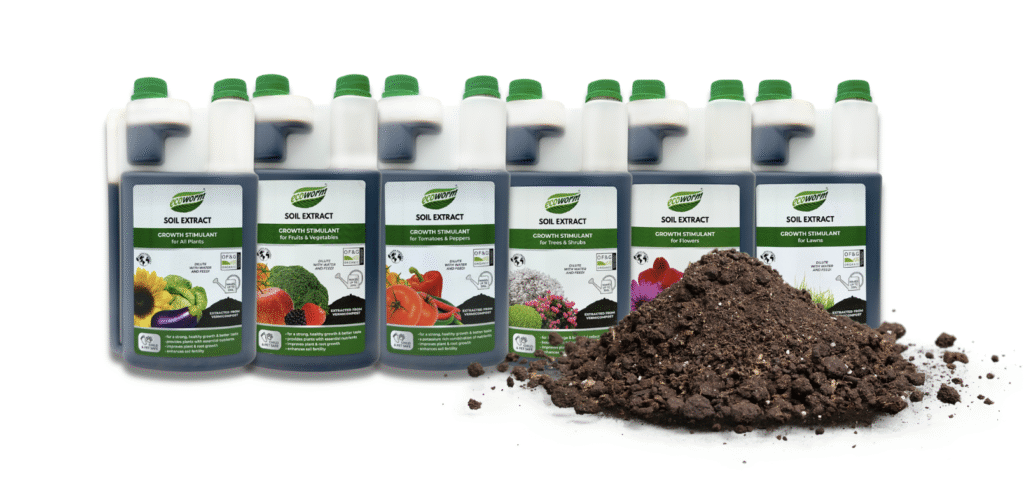
4. Apply a Natural Soil Regenerator
When soil requires faster recovery, applying a natural soil regenerator can significantly improve results.
Ecoworm Soil Extract is made from vermicompost and contains:
• Beneficial microbes
• Organic nutrients
• Humic substances
Because it works at the biological level, it supports long term soil restoration rather than temporary plant stimulation.
Gardeners often notice stronger root growth and improved plant vigor within weeks of consistent application.
Signs Soil Is Coming Back to Life
You may notice clear improvements such as:
• More earthworms in the soil
• Better drainage
• Darker, crumbly texture
• Stronger plant growth
• Higher yields
These signs indicate that microbial activity and nutrient cycling are improving.
Long Term Soil Health
Learning how to bring soil back to life is not about quick fixes. It is about restoring balance and supporting the soil ecosystem consistently.
By adding organic matter, reducing disturbance, and using a biological soil regenerator such as Ecoworm Soil Extract, you create conditions where soil can thrive again.
Healthy soil supports healthy plants. When the soil ecosystem is strong, the entire garden becomes more productive and resilient.
You may also find our guide on how to regenerate soil fast helpful for faster soil improvement strategies.
Comments are closed