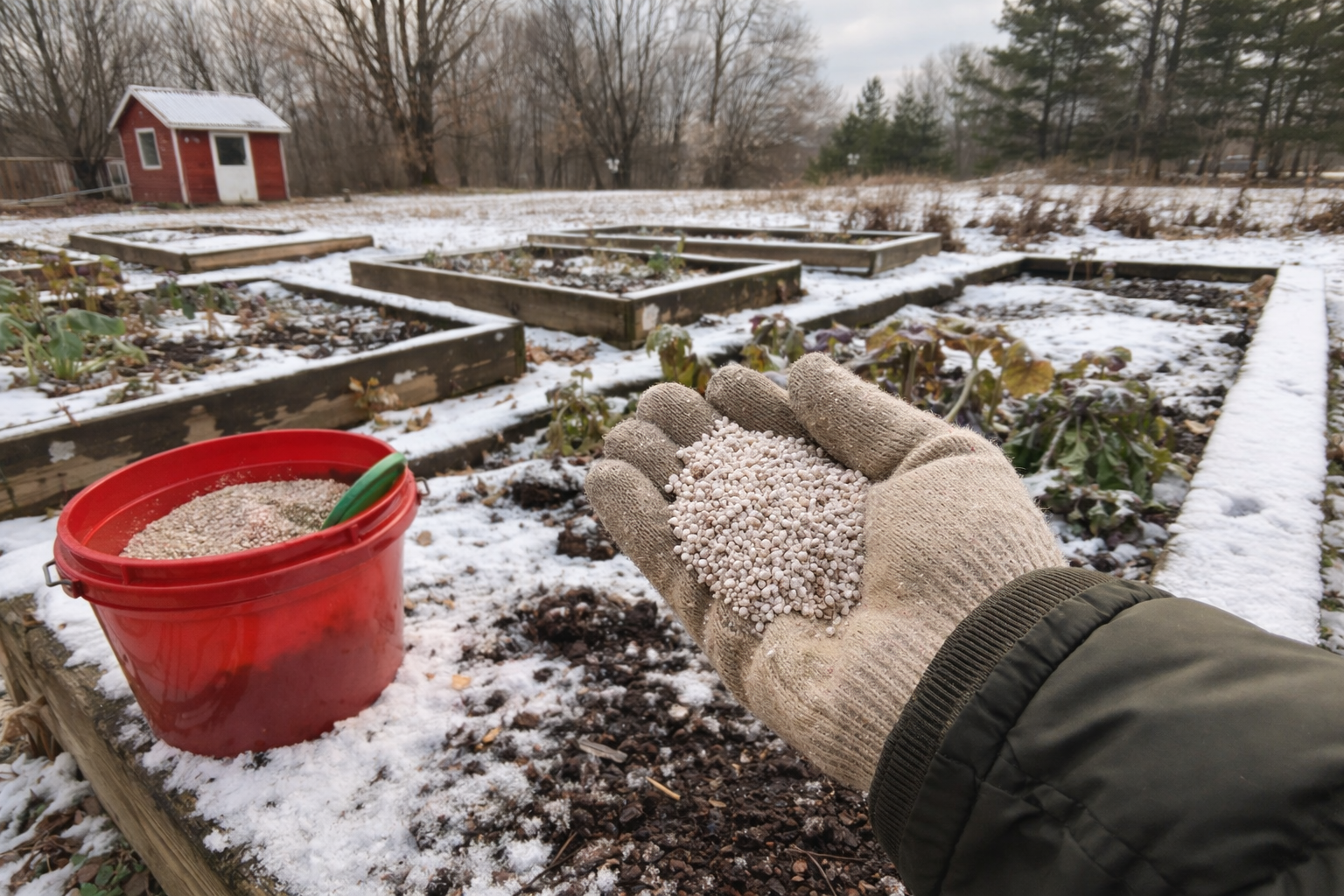
If you are wondering what months should you not fertilize, the answer depends on climate, plant type, and soil condition. However, in most parts of the United States, late fall and winter are the months when fertilizing should be avoided.
Fertilizing at the wrong time can weaken plants, waste nutrients, and damage soil health. Understanding when not to fertilize is just as important as knowing when to apply nutrients.
Why Timing Matters in Fertilization
Plants have natural growth cycles. During active growth in spring and early summer, they absorb nutrients efficiently. However, during dormancy, nutrient uptake slows dramatically.
Applying fertilizer when plants are dormant can lead to:
• Nutrient runoff
• Leaching into groundwater
• Salt buildup in soil
• Weak late-season growth
The USDA Natural Resources Conservation Service explains that proper nutrient management is essential to protect soil and water resources:
https://www.nrcs.usda.gov/conservation-basics/soil-health
What Months Should You Not Fertilize in Most U.S. Climates?
In general:
• November to February are months when most gardens should not be fertilized
• During freezing temperatures, roots are inactive
• Before heavy winter rains, nutrients can wash away
In colder USDA zones, fertilizing should stop by early fall. In warmer southern zones, late fall fertilization may still be inappropriate if plants are slowing down growth.
The USDA Organic Program also emphasizes seasonal soil management to maintain long term soil health:
https://www.usda.gov/farming-and-ranching/organic-farming
Exceptions to the Rule
There are situations where light feeding may be appropriate:
• Cool season vegetables in mild southern climates
• Established lawns in early fall
• Container plants in frost free zones
However, even in these cases, heavy fertilization should be avoided once growth slows.
Why Over Fertilizing in Winter Can Harm Soil
When fertilizer is applied during inactive periods:
• Microbial balance can be disrupted
• Excess nitrogen can leach
• Soil structure may weaken over time
Instead of feeding dormant plants, it is better to focus on improving soil biology.
A Better Approach During Dormant Months
Rather than asking what months should you not fertilize, consider what you should do instead.
Winter and late fall are ideal times to:
• Add compost
• Mulch garden beds
• Improve soil structure
• Apply a biological soil regenerator
This approach strengthens soil without forcing plant growth.
Supporting Soil Without Forcing Growth
Ecoworm Soil Extract supports soil health by introducing beneficial microbes and organic compounds. Unlike synthetic fertilizers, it works at the biological level.
During dormant periods, improving soil life prepares the ground for stronger spring growth.
You may also find our guide on how to regenerate soil fast helpful if your soil shows signs of depletion.
Seasonal Fertilization Summary
Spring and early summer are active feeding periods.
Late fall and winter are usually not appropriate months for fertilizing most gardens.
Understanding what months should you not fertilize helps protect plant health, prevent nutrient loss, and maintain strong soil structure year after year.
Healthy soil leads to healthy plants. Timing makes the difference.
Comments are closed