
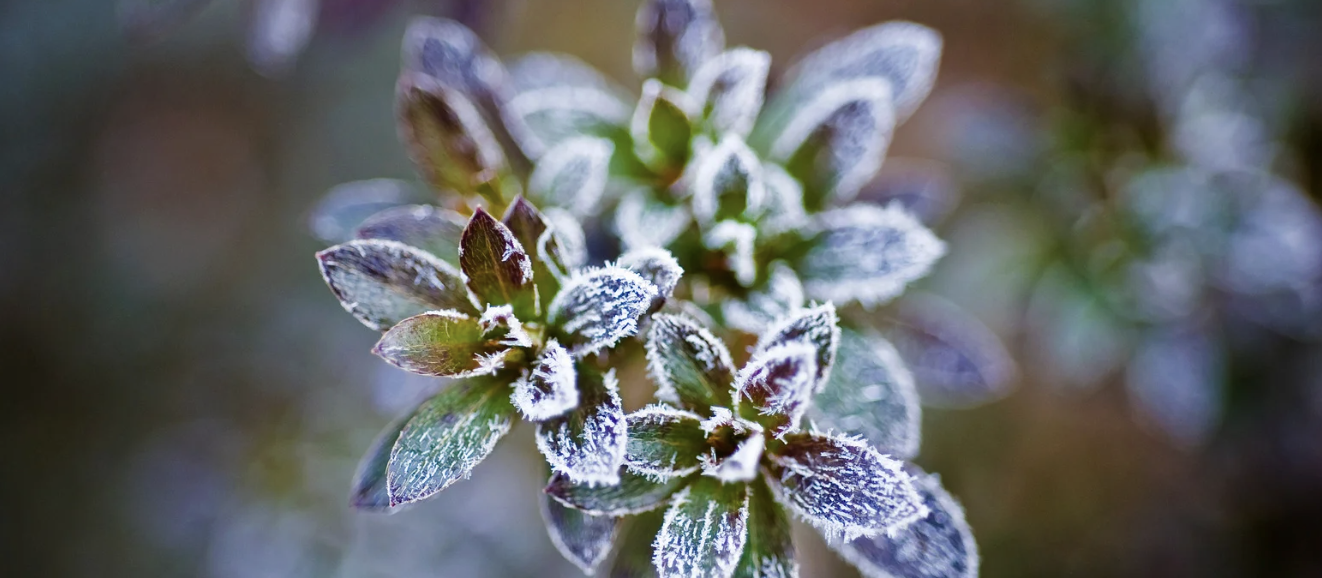
February gardening tasks help gardeners across the United States prepare soil, prune plants, and get ready for the spring growing season. While some regions are still cold and others are already planting, February is a key transition month in every USDA zone.
Cold Climates (USDA Zones 3–5)
In colder regions, February is mostly about preparation and protection.
February garden tasks for cold zones include:
- Prune dormant trees and shrubs (apple, pear, berry bushes) on dry days
- Check mulch levels and top up around perennials to protect roots
- Clean and sharpen garden tools before spring arrives
- Start seeds indoors for slow-growing crops like onions, leeks, and brassicas
💡 Tip: Use a natural cleaner like Ecoworm Potassium Soap to remove dirt and sap from tools without harsh chemicals.
Moderate Climates (USDA Zones 6–7)
Gardeners in Zones 6–7 begin to shift from winter maintenance to early spring prep.
February gardening chores include:
- Prune roses, fruit trees, and ornamental shrubs
- Begin soil preparation in vegetable beds once soil is workable
- Start seeds indoors for tomatoes, peppers, and herbs
- Watch for early pest activity on overwintering plants
🌱 Healthy soil now means fewer problems later. Applying a soil regenerator like Ecoworm Soil Extract helps improve soil structure and supports beneficial microbes before planting begins.
Warm Climates (USDA Zones 8–10)
In warmer regions, February is an active gardening month with planting already underway.
February garden tasks for warm zones:
- Direct sow cool-season vegetables (lettuce, spinach, carrots, peas)
- Prune citrus trees and summer-flowering shrubs
- Inspect plants for aphids and other early pests
- Feed garden beds to support continuous growth
🐜 Early pest control matters. If aphids appear, Ecoworm Potassium Soap offers a plant-friendly way to manage them before populations explode.
February Garden Chores for All U.S. Zones
No matter where you garden, these February tasks apply everywhere:
- Plan your garden layout and order seeds early
- Clean pots, trays, and greenhouses before spring sowing
- Improve soil health with organic inputs
- Monitor indoor plants for pests and low humidity
- Avoid working wet or frozen soil to prevent compaction
Healthy soil and clean growing spaces reduce pest pressure later in the season — one reason many gardeners use organic soil regenerators and natural garden soaps as part of their routine.
Why February Preparation Matters
February gardening is all about getting ahead. By preparing soil, tools, and plants now, you reduce stress during the busy spring months and create better conditions for strong growth.
Gardeners who focus on soil health, early pest prevention, and clean tools often see healthier plants, fewer pest issues, and better yields throughout the season.
Final Thoughts
From pruning and seed starting to soil care and early pest monitoring, February gardening tasks in the U.S. vary by zone but share one goal: setting the stage for a successful growing season.
Using natural, eco-friendly products like Ecoworm Soil Extract and Ecoworm Potassium Soap helps support healthy plants while keeping your garden aligned with organic, sustainable practices.
Comments are closed