
Why Fall Is the Best Time to Fix Clay Soil
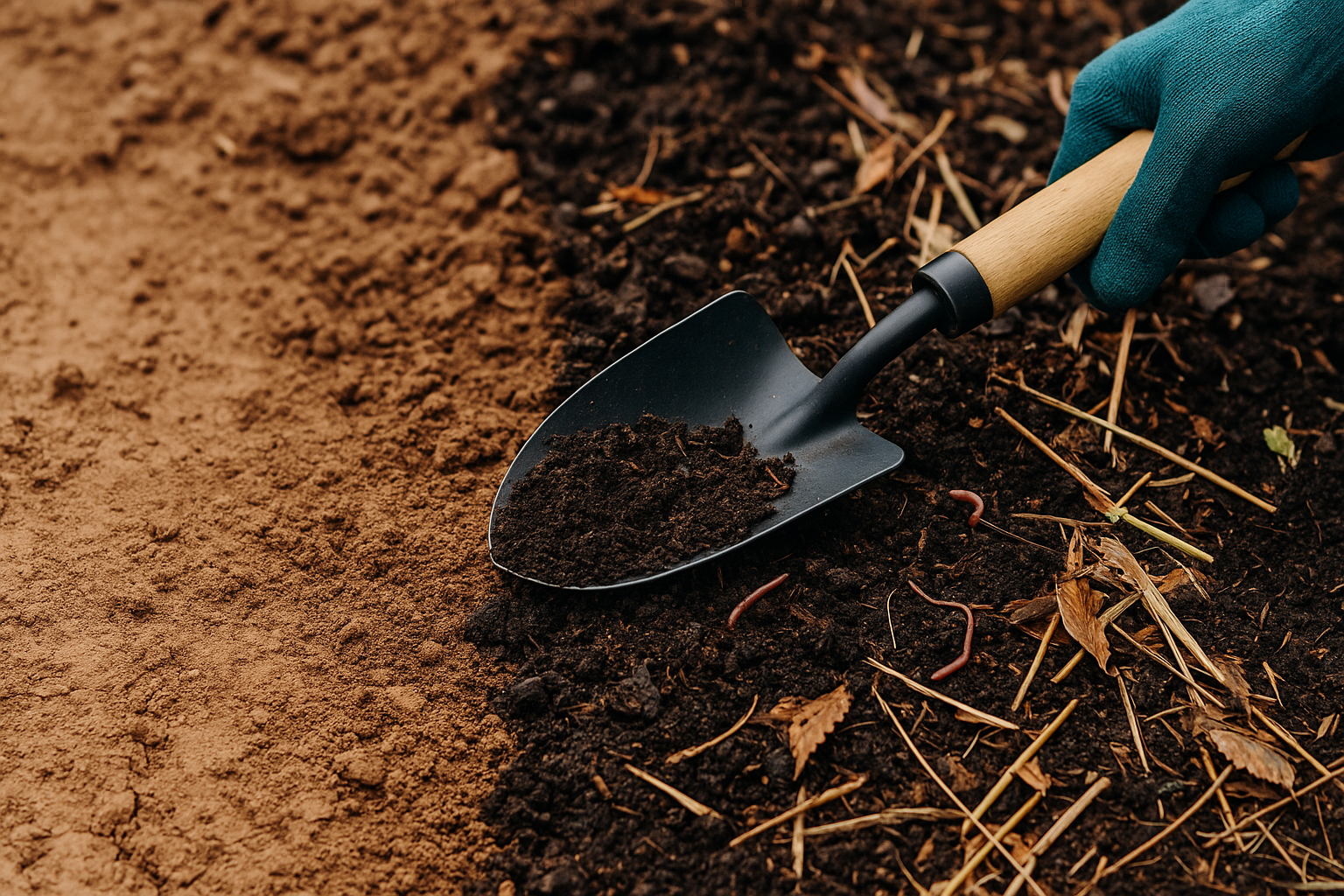
Clay soil can be frustrating for gardeners — it’s dense, heavy, and drains poorly. The good news is you can amend clay soil in fall to transform it into fertile ground before spring. Cooler weather, autumn rains, and months of winter decomposition give your amendments time to work before spring planting. According to the USDA Natural Resources Conservation Service, fall is also the perfect time to build soil health through organic matter and microbial activity.
Can You Turn Clay Soil Into Good Soil?
Yes — but it takes consistent organic matter and microbial activity. By adding compost, leaves, worm castings, and liquid extracts, clay particles begin to clump into loose, crumbly aggregates that allow roots, air, and water to move freely. Over time, you can transform sticky clay into fertile loam.
How to Amend Clay Soil Without Tilling in Winter
Many gardeners prefer a no-till approach, especially in fall. Here’s how:
- Spread 2–3 inches of compost or shredded leaves across the soil surface.
- Add worm castings or a microbial liquid extract like Ecoworm Soil Extract to inoculate the soil with beneficial microbes.
- Cover with mulch or plant a cover crop (rye, clover, or vetch).
- Let nature do the work — winter rains and microbes will slowly pull nutrients down into the soil.
How to Amend Clay Soil Quickly
If you need faster results:
- Mix organic matter (compost, manure, leaf mold) into the top 6–8 inches.
- Apply Ecoworm Soil Extract diluted in water — one 1L bottle makes up to 53 gallons of ready-to-use fertilizer, jumpstarting microbial activity that breaks down organic matter quicker.
- Avoid adding sand alone — it creates concrete-like soil. Always balance with organics.
What Soil Additives Break Down Clay?
Some gardeners reach for gypsum to loosen clay, but the most reliable fix is organic matter and microbes. The University of Minnesota Extension confirms that adding compost and other organics is the best long-term solution for clay soils. Compost, worm castings, and microbial fertilizers don’t just loosen clay — they actually build soil structure over time. Ecoworm works by adding living microbes that feed on organic matter and help bind clay into crumbly, fertile soil.
How Long Does It Take to Improve Clay Soil?
It depends on how poor the soil is and how much organic matter you add. With consistent fall amendments, you’ll start to see improvements in 1–2 seasons. Microbial products like Ecoworm Soil Extract can speed the process, because they activate soil life immediately instead of waiting months for natural decomposition.
What Is the Best Manure for Clay Soil?
Well-rotted manure, compost, and worm castings are all excellent. Fresh manure should be avoided in fall, as it can leach nitrogen over winter. Worm castings and microbial extracts are safer, more balanced, and less likely to burn plants.
Step-by-Step Guide to Amending Clay Soil in Fall
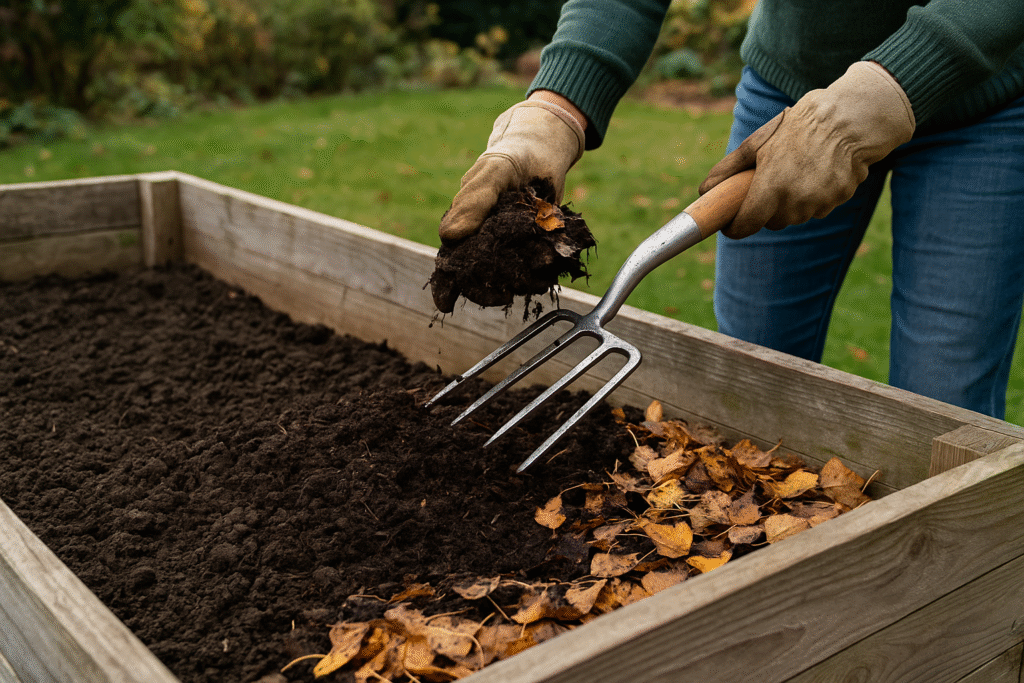
- Clean up the garden – remove weeds and old crops.
- Test your soil – check pH and nutrient levels.
- Add organic matter – compost, leaves, or manure.
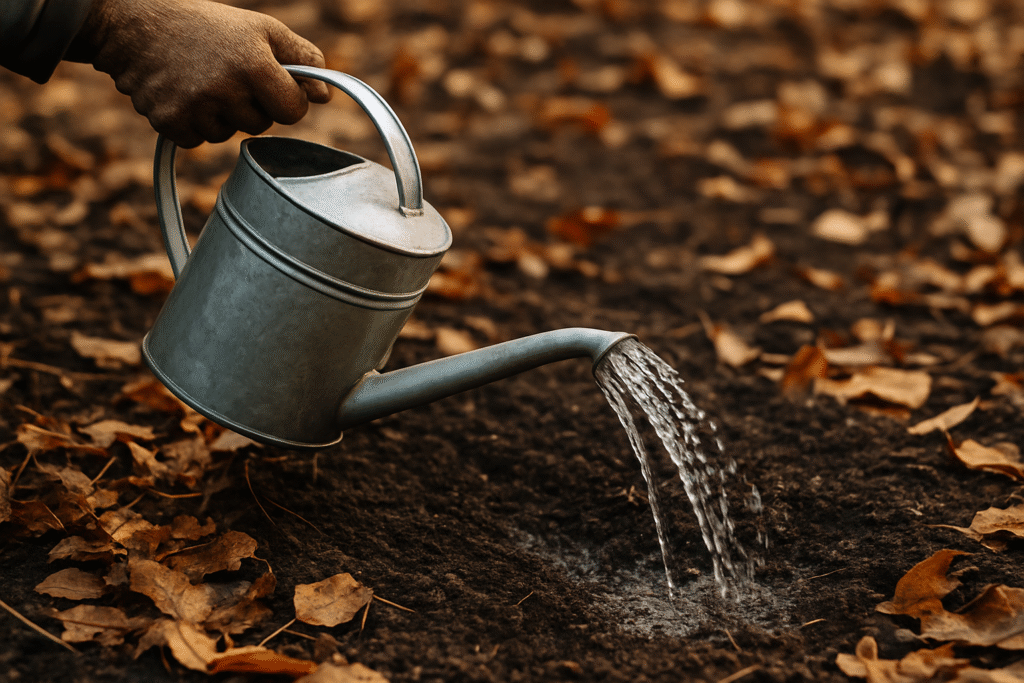
- Boost with microbes – water in Ecoworm Soil Extract to activate decomposition.
- Protect with mulch or cover crops – prevent erosion and nutrient loss.
- Let winter work for you – by spring, the soil will be looser, healthier, and ready for planting.
Final Thoughts
Fall is your chance to reset your soil for next season. With a mix of organic matter and living microbes, even the heaviest clay can be transformed into fertile, workable soil.
Ready to start? Shop Ecoworm Soil Extract and give your clay soil the microbial boost it needs this fall. One bottle makes 53 gallons of ready-to-use fertilizer — enough to revive your beds before spring.
Comments are closed