
Why Preventing Overwintering Garden Pests in Fall Matters
Many gardeners wonder how to prevent overwintering garden pests in fall. Aphids, mites, and whiteflies don’t die off with the cold — they hide in soil, debris, and bark, waiting to re-emerge in spring. That’s why it’s essential to prevent overwintering garden pests in fall before they take hold of your garden next season. If you don’t act to prevent overwintering garden pests in fall, you’ll face even bigger infestations in spring.
Overwintering Garden Pests to Watch in Fall
These are the most common insects you should watch if you want to prevent overwintering garden pests in fall.
Aphids
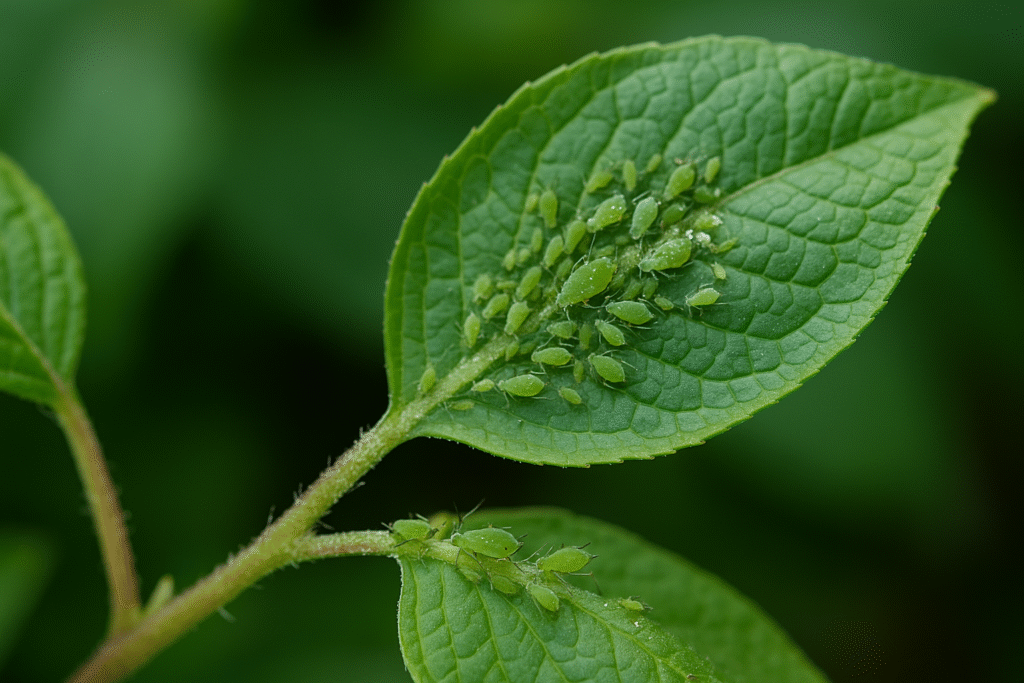
These tiny sap-suckers cluster on stems and undersides of leaves. Left unchecked, they lay eggs that survive winter and re-emerge in spring.
Spider Mites
Often mistaken for dust, spider mites thrive in dry conditions. Their eggs overwinter on leaves and bark, causing spring infestations. Without action, spider mites become stubborn fall garden pests that spread quickly in spring.
Whiteflies
Whiteflies weaken plants and spread disease — another reason to control overwintering garden pests in fall before they multiply in spring.
Scale Insects
Scale pests are another reason to prevent overwintering garden pests in fall, since they cling to stems and survive until spring.
5 Steps to Prevent Overwintering Garden Pests in Fall
1. Clear Plant Debris
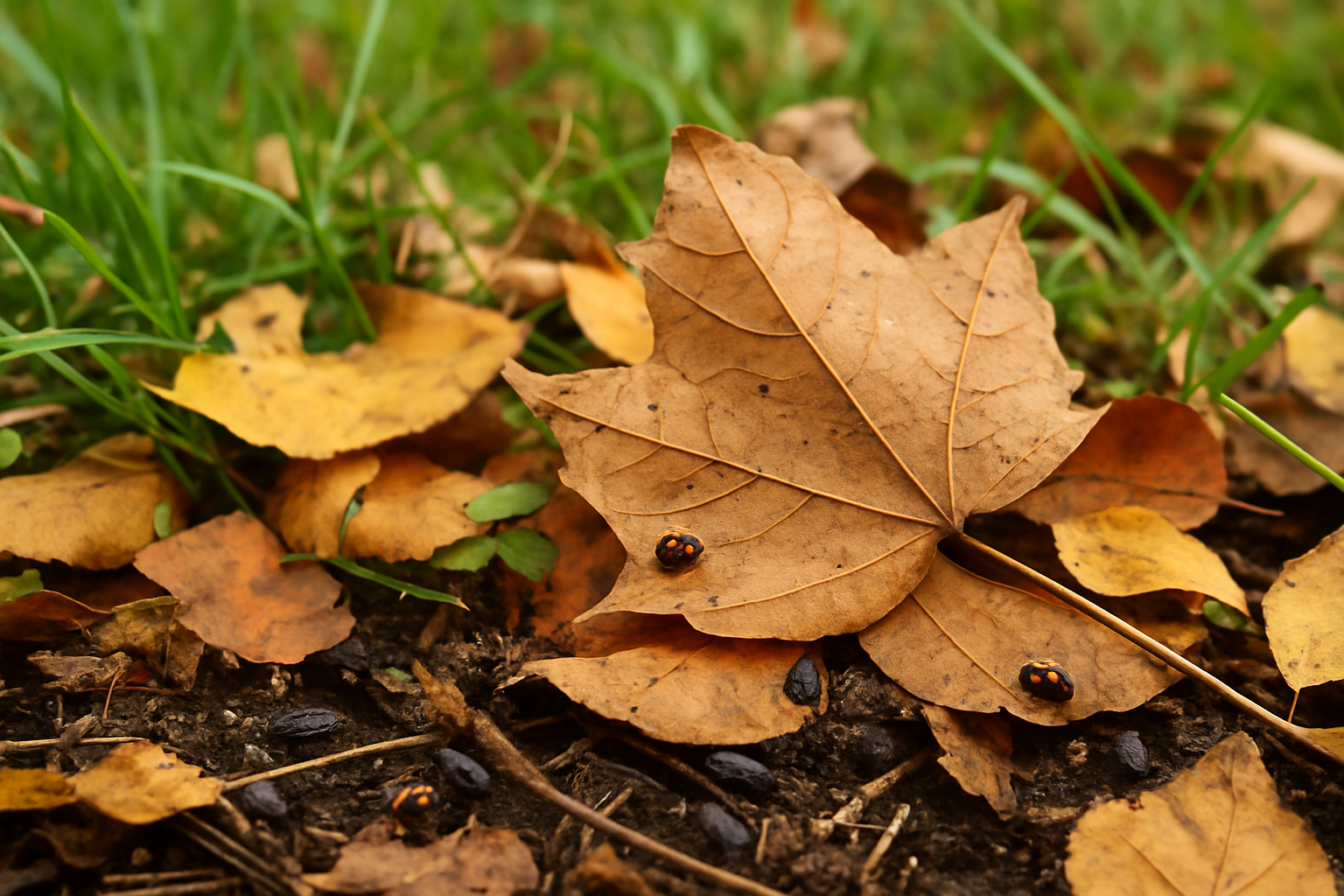
Remove spent crops, weeds, and fallen leaves. Many pests use them as winter shelter. The University of Minnesota Extension recommends autumn cleanup as one of the best ways to reduce overwintering insects and diseases.
2. Turn and Mulch Soil
Lightly dig or mulch bare beds. This disturbs overwintering pests and exposes them to cold, reducing survival rates.
3. Rotate Crops
Avoid planting the same crop in the same bed each year. Crop rotation makes it harder for pests to find their favourite hosts.
4. Encourage Beneficial Insects
Ladybirds, lacewings, and predatory mites are natural enemies of common pests. Create habitats for them with native plants and mulch.
5. Use Organic Sprays Before Frost
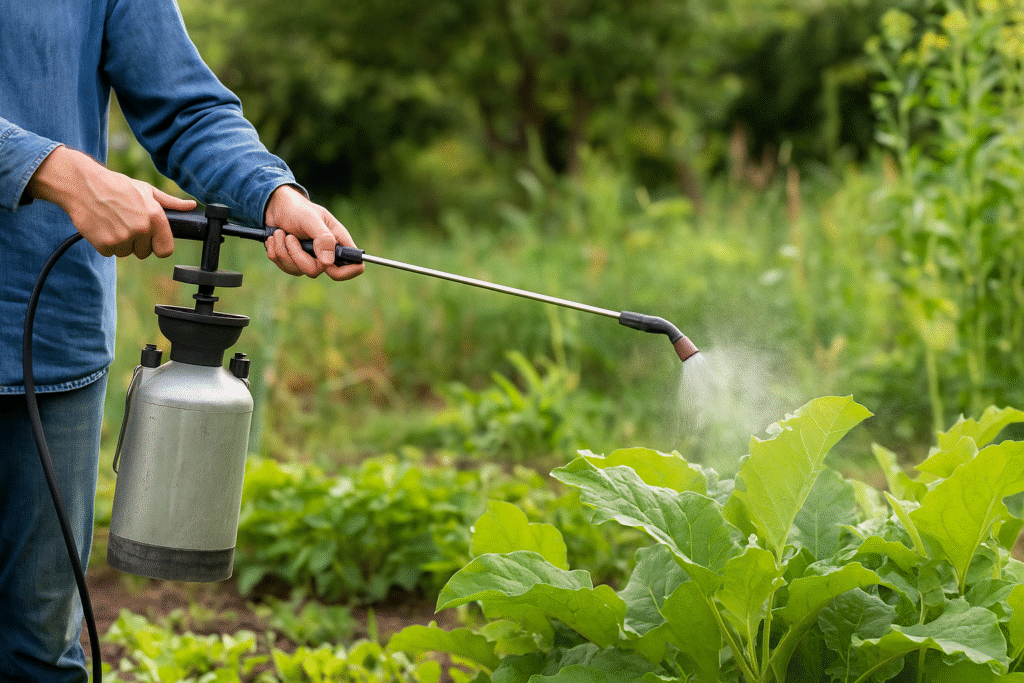
Finish with a preventative spray of an organic insecticidal soap. As Clemson Extension explains, these sprays are effective against soft-bodied pests like aphids and mites — and they’re safe to use in vegetable gardens.
Organic Pest Control in Fall: Why Choose Ecoworm Potassium Soap
Not all sprays are safe for edible plants or the environment. Ecoworm Potassium Soap is:
- Made from natural sunflower oil
- Effective against soft-bodied pests (aphids, mites, whiteflies, scale)
- Biodegradable and safe to use on vegetables, fruits, ornamentals, and houseplants
- Ideal for fall garden cleanup and preventative spraying
A quick spray in autumn can make all the difference to your spring garden.
Final Thoughts on Fall Pest Prevention
This autumn, take simple steps to prevent overwintering garden pests in fall and protect your garden naturally with Ecoworm Potassium Soap.
Ready to protect your garden naturally? Shop Ecoworm Potassium Soap today and make it part of your fall garden routine.
Comments are closed